
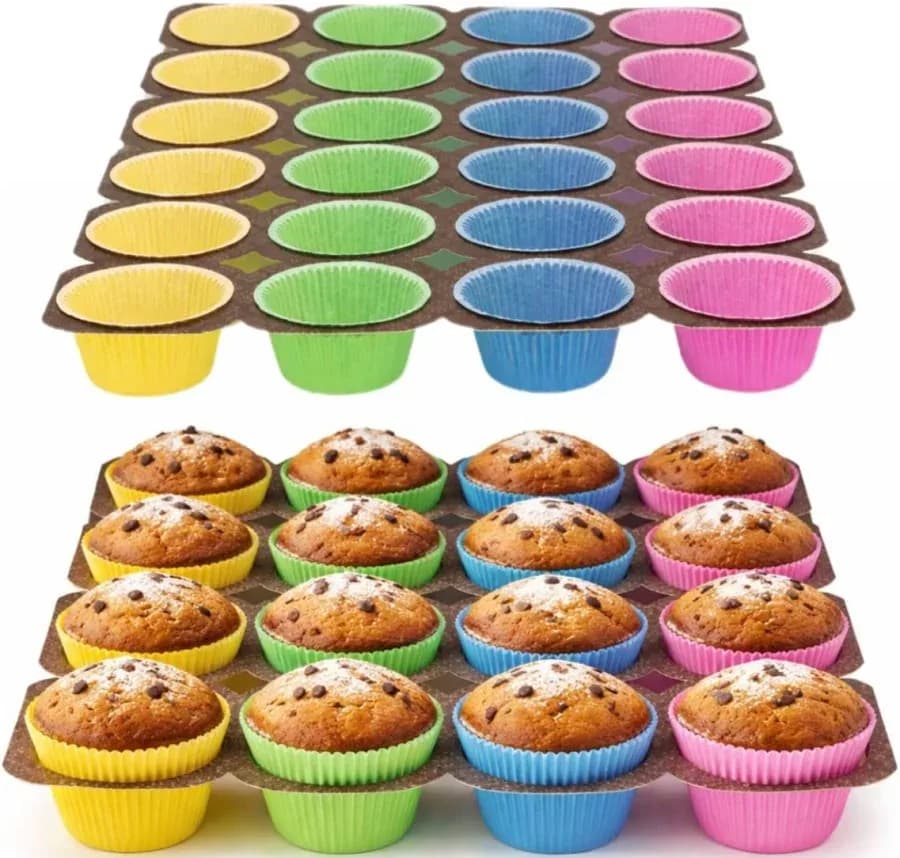
Choosing the right material for a muffin baking tray is important for achieving evenly baked muffins, maintaining their shape, and ensuring easy cleaning. Different materials offer different benefits, depending on baking temperature, frequency of use, durability, and budget. Whether you run a bakery, a café, a food business, or bake at home, selecting the right muffin cupcake tray can improve your overall baking experience.
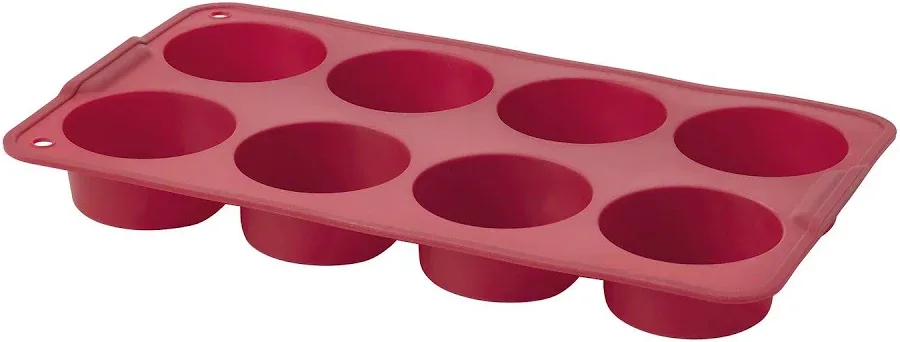
However, choosing a suitable tray is not just about its appearance or price. You should also understand the material, heat distribution, food safety, and maintenance requirements before making a purchase. For bakeries and food businesses in Delhi NCR, understanding these factors can help in selecting the right baking and packaging solutions.
1. Why Does the Material of a Muffin Baking Tray Matter?
The material of a muffin tray directly affects how your muffins bake. Some materials distribute heat evenly, while others heat up quickly or retain heat for longer periods.
Here are some important reasons why material selection matters:
- Even Baking: Good-quality materials help distribute heat evenly, reducing the chances of undercooked or overbaked muffins.
- Durability: Strong materials can withstand regular baking and repeated use.
- Easy Cleaning: Non-stick and smooth surfaces make removing leftover batter and cleaning easier.
- Food Safety: Food-grade materials help ensure that the tray is suitable for food contact.
- Cost Efficiency: Choosing durable materials can reduce replacement costs over time.
Understanding these factors will help you select a tray that meets your baking requirements.
2. Different Materials Used in Muffin Baking Trays
Before purchasing a muffin cupcake tray, it is important to understand the commonly available materials and their advantages.
A. Aluminium Muffin Trays
Aluminium is one of the most commonly used materials for baking trays. It is lightweight and offers good heat conductivity, which helps muffins bake relatively evenly.
Benefits of Aluminium Trays:
- Distribute heat efficiently.
- Lightweight and easy to handle.
- Suitable for regular baking.
- Available in different sizes and designs.
- Generally affordable compared to some premium materials.
Aluminium trays are a practical choice for bakeries and commercial kitchens that require frequent baking. However, untreated aluminium may react with certain acidic ingredients, so choosing a suitable food-grade finish is important.
B. Stainless Steel Muffin Trays
Stainless steel trays are known for their strength, durability, and resistance to rust and corrosion when made from suitable grades.
Benefits of Stainless Steel Trays:
- Strong and durable construction.
- Resistant to rust and corrosion.
- Easy to clean and maintain.
- Suitable for repeated use.
- Long-lasting with proper care.
However, stainless steel generally conducts heat less efficiently than aluminium. Therefore, baking performance can depend on the tray's thickness and construction.
C. Silicone Muffin Trays
Silicone muffin trays are flexible and popular among home bakers. Their flexibility makes it easier to remove muffins without damaging their shape.
Benefits of Silicone Trays:
- Flexible and lightweight.
- Easy removal of baked muffins.
- Non-stick properties.
- Easy to store.
- Available in different shapes and colours.
Always choose food-grade, heat-resistant silicone and follow the manufacturer's temperature guidelines. Silicone trays may also require support from a baking sheet to maintain stability when filled with batter.
D. Carbon Steel Muffin Trays
Carbon steel is another useful option, particularly for people who need sturdy baking equipment. These trays often come with non-stick coatings that make removing muffins easier.
Benefits of Carbon Steel Trays:
- Strong and sturdy structure.
- Good heat distribution.
- Suitable for frequent baking.
- Available with non-stick coatings.
- Maintains its shape during regular use.
However, coated trays should be handled carefully to avoid scratching or damaging their surface.
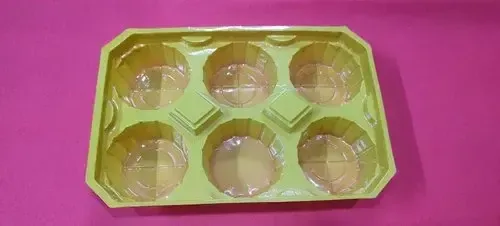
3. What Is a Muffin Plastic Tray and When Should You Use It?
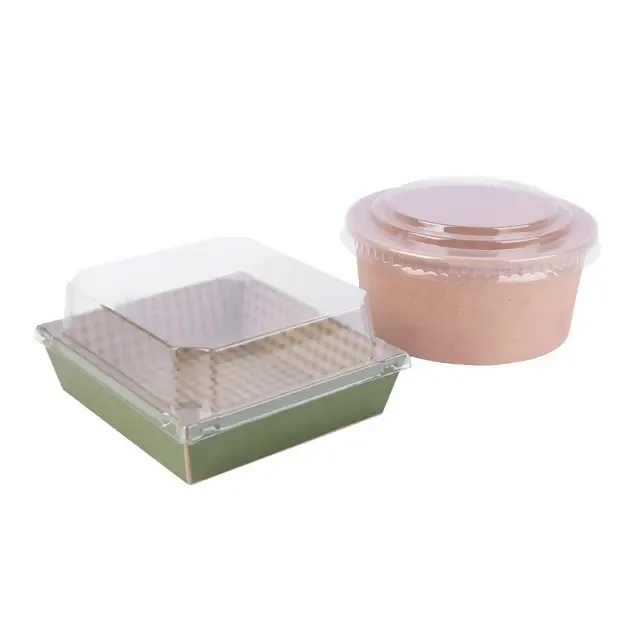
A Muffin Plastic Tray is generally designed for holding, storing, protecting, and transporting muffins rather than baking them.
These trays are commonly used by bakeries, confectionery businesses, food packaging companies, and commercial food suppliers. They help keep muffins organised and reduce the chances of damage during transportation.
Here are some important advantages of plastic muffin trays:
- Lightweight: Easy to handle, pack, store, and transport.
- Product Protection: Helps prevent muffins from getting crushed or losing their shape.
- Organised Packaging: Separate compartments keep individual muffins in position.
- Hygienic Handling: Suitable food-contact plastic helps maintain appropriate packaging hygiene.
- Customisation: Trays can be designed in different sizes and compartment arrangements.
It is important to understand that ordinary plastic packaging trays are not designed for oven baking. Always use a baking tray for baking and a suitable food-grade plastic tray for packaging and transportation.
4. How to Choose the Right Muffin Cupcake Tray?
Selecting the right tray depends on your baking requirements and business needs. Consider these important factors before purchasing.
1. Check the Heat Resistance
If you need a tray for baking, check its maximum operating temperature. Aluminium, stainless steel, carbon steel, and suitable food-grade silicone are commonly used for baking applications.
For packaging, choose plastic materials that are specifically designed for food contact and the intended storage conditions.
2. Consider the Number of Compartments
Muffin trays are available with different cavity capacities. Some are suitable for small batches, while others are designed for commercial production.
Choose the number of compartments according to your daily baking or packaging requirements.
3. Look for Food-Grade Quality
Food safety should always be a priority. Whether you are buying a metal baking tray or a plastic packaging tray, check that the material is suitable for its intended food-contact application.
4. Check the Size and Design
The size of each cavity affects the final muffin size and shape. For packaging trays, the compartment dimensions should match the muffins to prevent unnecessary movement during transportation.
5. Evaluate Durability and Maintenance
For commercial bakeries, trays are used frequently. Select materials that can handle regular use and are easy to clean or maintain according to the manufacturer's instructions.
5. Which Muffin Tray Material Is Best for Commercial Bakeries?
The best material depends on how you plan to use the tray.
| Material | Main Advantage | Suitable Application |
|---|---|---|
| Aluminium | Efficient heat distribution | Regular baking |
| Stainless Steel | Strength and durability | Repeated commercial use |
| Silicone | Flexible and easy release | Home and speciality baking |
| Carbon Steel | Sturdy construction | Commercial baking |
| Food-Grade Plastic | Lightweight and protective | Muffin packaging and transportation |
For commercial bakeries, aluminium and carbon steel are practical baking options, while food-grade plastic trays are useful for packaging and delivering finished muffins.
There is no single material that works best for every application. Your decision should depend on your production volume, budget, storage needs, and intended use.
6. Where to Find Quality Muffin Packaging Trays in Delhi NCR?
Finding the right packaging supplier is important for bakeries and food businesses that want to protect their products during storage and transportation.
If you are searching for a reliable Muffin Plastic Tray supplier in Delhi NCR, consider a company that understands food packaging requirements and offers suitable tray designs for different muffin sizes.
HB Packaging focuses on plastic packaging solutions for businesses. When selecting a packaging tray, businesses should consider material quality, compartment design, product compatibility, and packaging requirements.
Before placing a bulk order, discuss your requirements with the supplier and confirm the material specifications, food-contact suitability, dimensions, and availability of customised options.
Choosing suitable packaging can help bakeries present their muffins professionally while reducing the risk of damage during handling and delivery.
7. Final Thoughts
Choosing the right material for a muffin baking tray depends on your baking frequency, heat requirements, budget, and intended application. Aluminium and carbon steel are useful choices for regular baking, while stainless steel and silicone offer other benefits depending on your requirements.
On the other hand, a Muffin Plastic Tray is a practical solution for packaging, storing, and transporting finished muffins. Businesses should always select food-grade materials suitable for their intended use.
For bakeries and food businesses in Delhi NCR, understanding the difference between baking trays and packaging trays can help in making better purchasing decisions. With suitable packaging solutions from HB Packaging, businesses can focus on protecting their products and maintaining professional presentation.
Frequently Asked Questions
How much does a muffin baking tray cost in India?
The price of a muffin baking tray depends on its material, size, number of cavities, thickness, and design. Bulk orders may also get different pricing. Contact the manufacturer for a quotation based on your requirements.
Can I use a cupcake tray for baking muffins?
Yes, you can use a cupcake tray for baking muffins. Both trays generally have similar cavity designs, allowing you to bake cupcakes and muffins using the same type of baking equipment.
What's the difference between a muffin tray and a cupcake tray?
Muffin trays and cupcake trays are quite similar in design. However, muffins are generally denser and may have larger portions, while cupcakes are lighter and usually decorated with frosting. The choice of tray depends on the required cavity size.
Which material is best for a muffin baking tray?
Aluminium and carbon steel are popular materials for muffin baking trays because they offer good heat distribution and durability. Silicone is another option for easy removal of baked muffins.
Who is the best manufacturer of muffin baking trays in India?
The best manufacturer depends on your requirements, including tray material, cavity size, product quality, and bulk production capacity. Always check the manufacturer's product specifications and experience before placing an order.
Who is the best manufacturer of Muffin Plastic Trays in Delhi NCR?
HB Packaging is a Delhi-based manufacturer offering plastic blister packaging solutions, including muffin packaging tray formats. Located in Bawana Industrial Area, Delhi, the company serves bakery and food packaging requirements across Delhi NCR and India.
Can I get customised muffin plastic trays for my bakery products?
Yes, customised muffin plastic trays can be designed according to muffin size, shape, number of cavities, and packaging requirements. You should share your product dimensions and quantity requirements with the manufacturer.
What material is used to manufacture muffin plastic packaging trays?
Muffin packaging trays are commonly manufactured using food-contact-suitable plastics such as PET and PVC, depending on the application. Always confirm the material specifications and food-contact compliance before purchasing.
Found this helpful? Talk to our packaging experts.
Contact Us